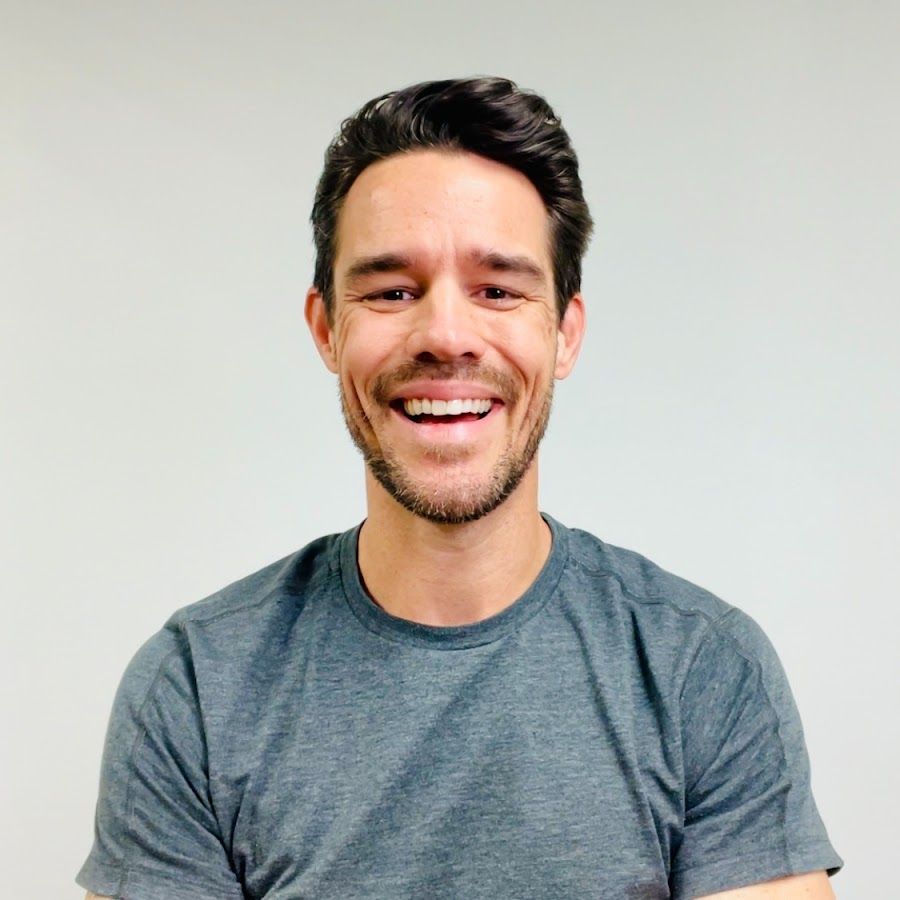
I have spent over a decade working at the intersection of productivity, creativity, and intentional work practices. My journey into productivity systems began not from a place of natural organization but from the chaos of managing multiple creative projects while trying to maintain focus and produce meaningful work. I struggled with the same challenges many people face: digital overwhelm, constant distraction, and the feeling that I was busy but not productive.
My background spans marketing, content creation, and consulting, which gave me exposure to countless productivity tools and methodologies. I tested every popular app, followed numerous frameworks, and tried to optimize every aspect of my workflow. What I discovered was that more tools often created more complexity rather than more clarity. This realization led me back to analog methods, specifically pen and paper planning, which I had dismissed as outdated.
As I developed my own analog planning practice, I found that the simplicity of a notebook provided something digital tools could not: true clarity about my priorities and a distraction-free space for thinking. The physical act of writing helped me process information differently, make better decisions about how to spend my time, and maintain focus on what truly mattered. My planning system evolved through years of experimentation, refinement, and real-world testing across different work contexts.
I have worked with hundreds of professionals, entrepreneurs, and creatives who were drowning in digital productivity tools and seeking a more grounded approach to their work. My philosophy centers on the belief that productivity is not about doing more but about doing what matters with greater intention and presence. I advocate for systems that are simple enough to maintain consistently while powerful enough to handle complex work.
My approach combines practical methodology with an understanding of why certain practices work from both a cognitive and behavioral perspective. I believe the best productivity system is one you will actually use, which means it must be sustainable, flexible, and aligned with how you naturally work rather than forcing you into rigid structures that feel unnatural.